1. BEV Costs and Desired Range: The study indicated that the availability of affordable BEV models remains limited, with only a small portion falling within the price range of 20,000 € – 35,000 €. Consumers expressed a desire for more affordable options, highlighting the significance of price considerations.
2. Comprehensive Information Matters: Beyond purchase price, respondents revealed that comprehensive information played a pivotal role in shaping their opinions on BEVs. Factors such as the vehicle’s km range, Total Cost of Ownership (TCO), and available financial support influenced their perceptions of electric driving.
3. Second-Hand and Leasing Preferences: The survey showcased the importance of second-hand and leasing options in broadening BEV adoption. A substantial number of EU BEV drivers opted for second-hand vehicles or leased options, underlining the need for diverse pricing strategies.
4. Range Satisfaction: The majority of EU BEV drivers expressed satisfaction with the factory range of their vehicles for daily use. This satisfaction was influenced by factors such as daily driving distance and the vehicle’s primary purpose.
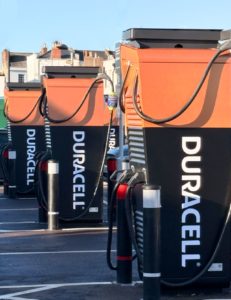
5. Public Recharging Network: The survey exposed a lack of clear information about nearby public recharging points. Enhanced visibility of the recharging network emerged as a potential solution to bolster confidence among potential BEV drivers.
6. Profile of EU BEV Drivers: The typical EU BEV driver emerged as a younger male with a higher education diploma, residing in a detached house, and enjoying a relatively high income.
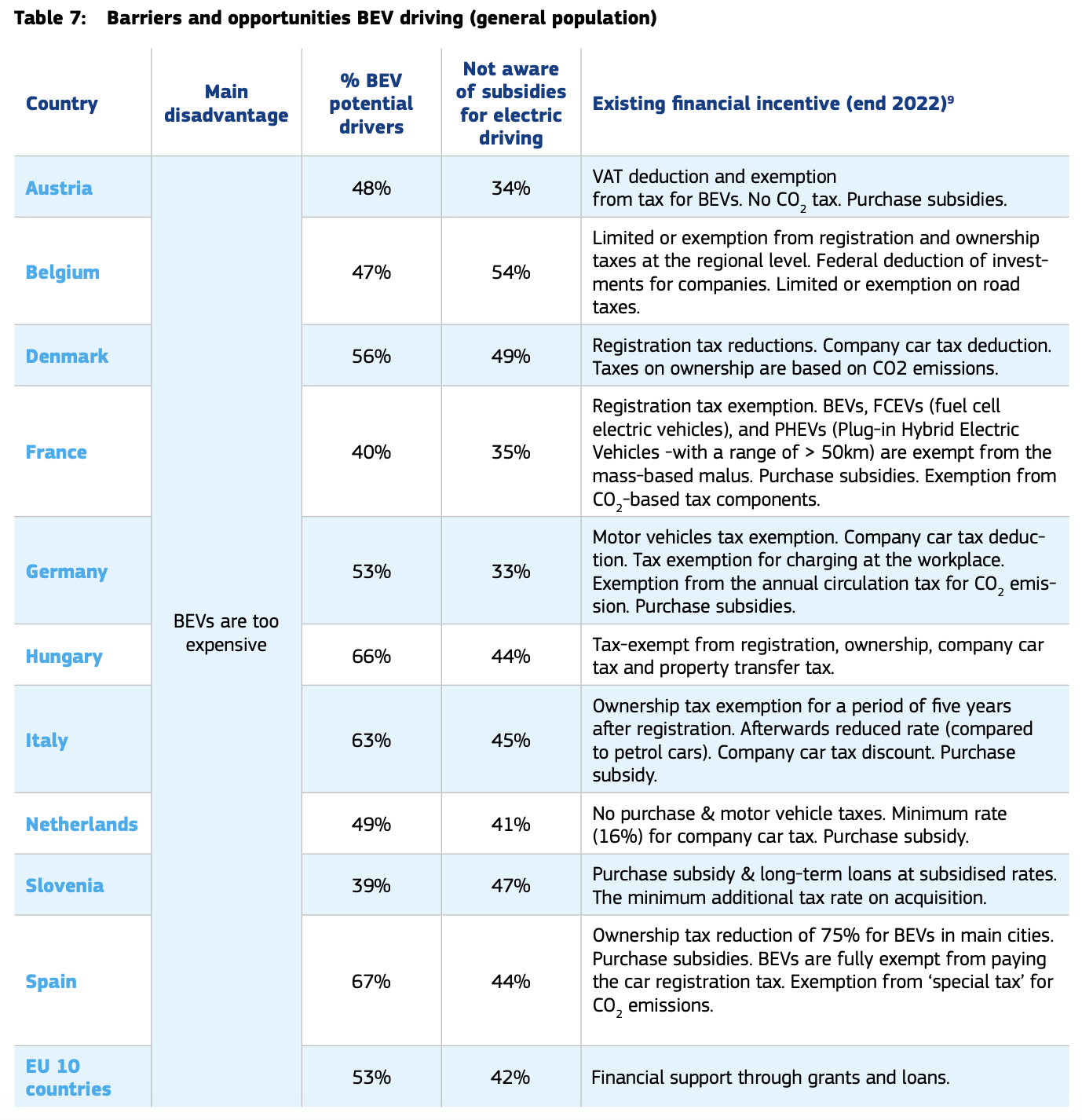
In the broader context of the EU 10 countries, 53% of potential BEV drivers highlight high costs as a primary obstacle. However, a range of financial support mechanisms, including grants, loans, and purchase subsidies, are available to address these concerns and drive the shift towards a more sustainable and electric future.
By tailoring policies and incentives to address specific barriers, European countries can accelerate the adoption of BEVs, contributing to reduced emissions and a more environmentally-friendly transport sector.
Source: Consumer Monitor 2022 | EAFO