- Vision 2050: update on the global zero-emission vehicle transition in 2023 | The ICCT
- Electrifying Fleets – Challenges, Opportunities, and Considerations | Charles Rivers Associates
- The automobile industry pocket guide 2023/2024 | ACEA
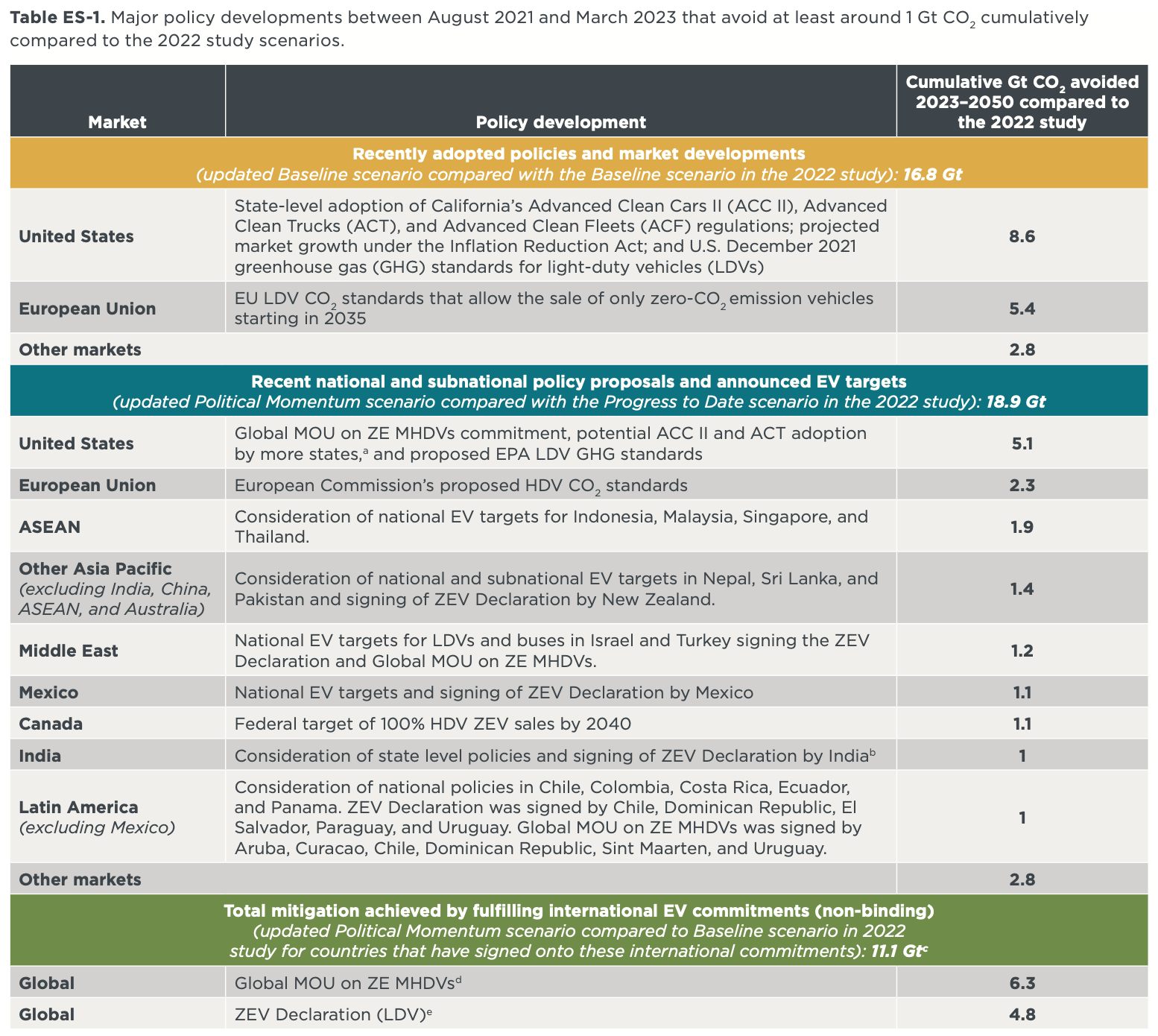
Vision 2050: update on the global zero-emission vehicle transition in 2023 | The ICCT
This report delves deep into the global transition to zero-emission vehicles, a topic of paramount importance in our quest to address climate change. It explores how we can achieve the ambitious goal of 100% zero-emission vehicle (ZEV) sales for cars, vans, buses, and trucks. The report carefully analyses the impacts of various ZEV policy pathways and their potential to significantly reduce carbon emissions. It also addresses the critical question of aligning with climate targets to keep global warming below the 2°C mark. In essence, it offers a roadmap for policymakers, businesses, and individuals, shedding light on the path to a greener, more sustainable transportation future.
Electrifying Fleets – Challenges, Opportunities, and Considerations | Charles Rivers Associates
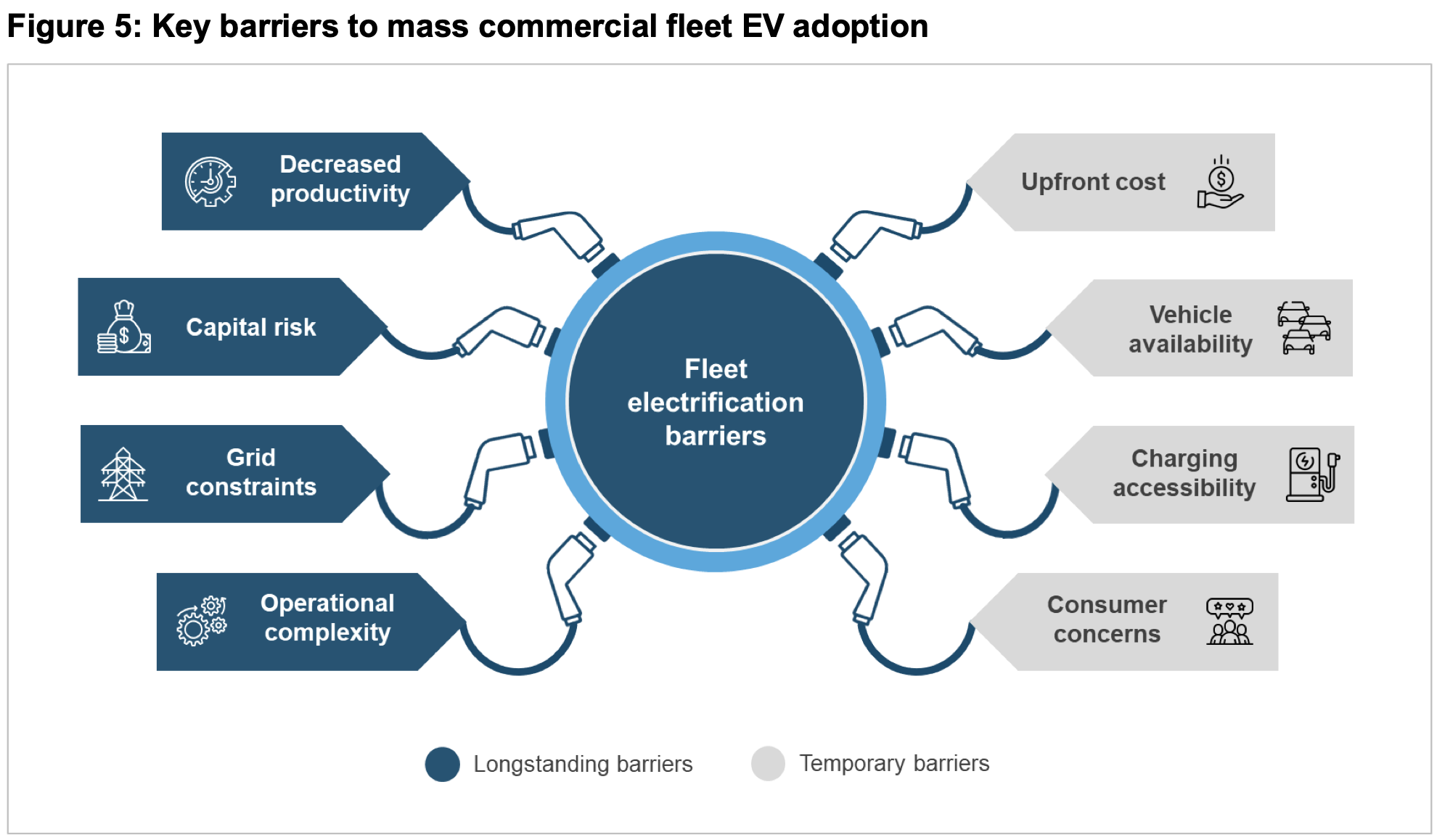
Fleet electrification is a topic that has gained tremendous momentum as organisations seek to reduce their carbon footprint and transition towards more sustainable transportation solutions. This report takes a close look at the challenges and opportunities that businesses face when electrifying their vehicle fleets. It goes beyond the financial aspects and considers the economic factors influencing the decision. Additionally, the report explores the operational considerations tied to adopting electric vehicles and highlights the need for appropriate infrastructure. As impending bans on the sale of internal combustion engine (ICE) vehicles draw nearer, this report acts as a guide for fleet managers, decision-makers, and anyone interested in navigating the complexities of fleet electrification.
The automobile industry pocket guide 2023/2024 | ACEA
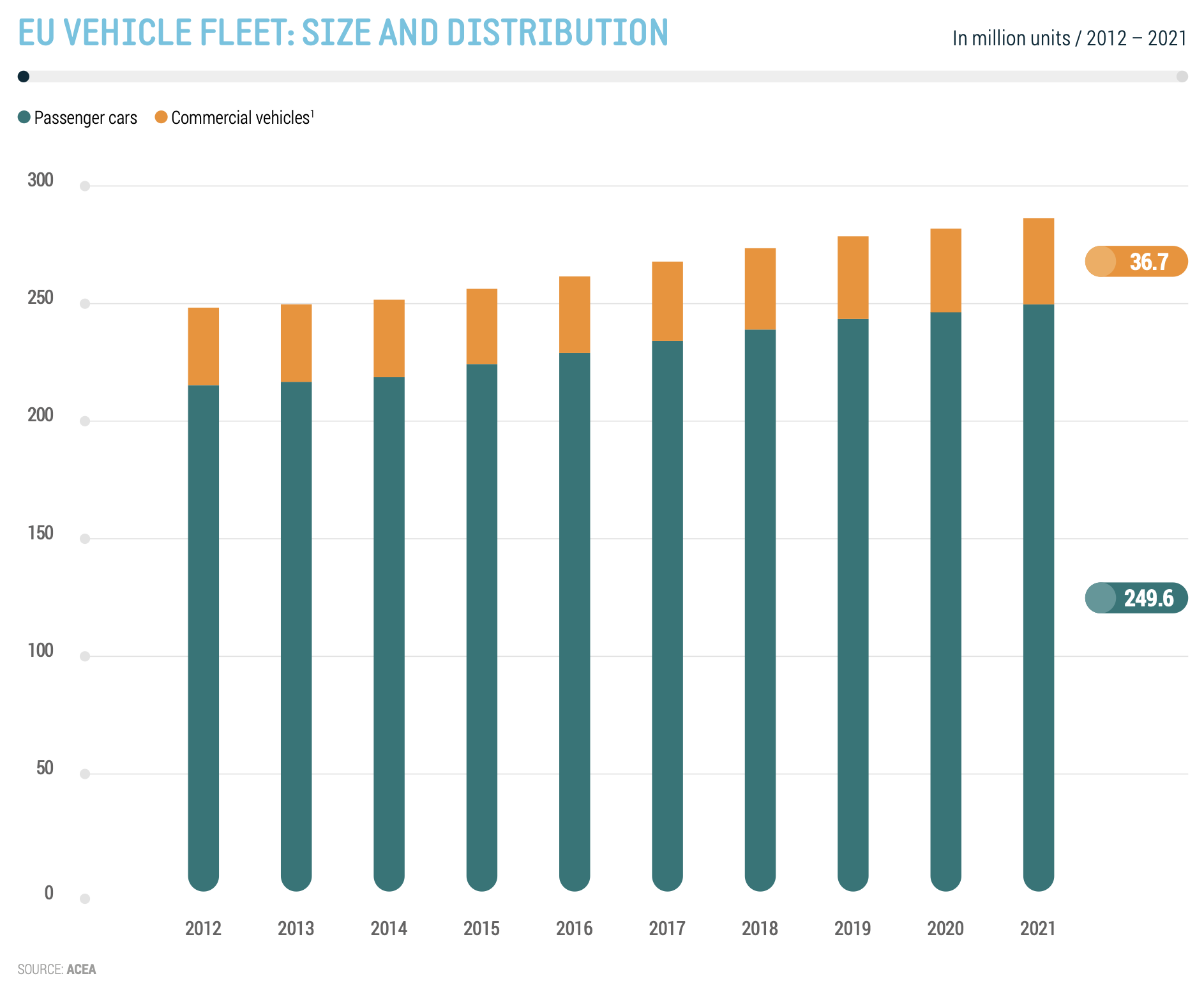
This guide offers a snapshot of the industry’s current landscape, highlighting key trends and challenges. Notably, it covers the remarkable ascent of battery-electric cars, which have seen a remarkable six-fold increase in market share within just four years. Electrically chargeable vans and buses are following suit, with impressive sales growth in the European Union. However, the adoption of electrically chargeable trucks remains a concern, given ambitious CO2-reduction targets for heavy-duty vehicles. The report also underscores the importance of incentives in certain EU countries to bolster electric commercial vehicle infrastructure. It paints a holistic picture of the industry’s evolving landscape, emphasising the need for a robust policy framework to ensure Europe’s position as a hub for innovative and sustainable auto manufacturers. In essence, this report acts as a compass, guiding us through the intricate landscape of the automobile industry’s transformation in the age of electric mobility.