- Texas Electric Vehicle Infrastructure Plan | Texas department of transportation
- Analysing the Challenges in Powering England’s Plug-in Vehicle Revolution | County Councils Network
- Charging Our Future: National Electric Vehicle Charging Strategy for Aotearoa New Zealand 2023-2035 | New Zealand Ministry of Transport
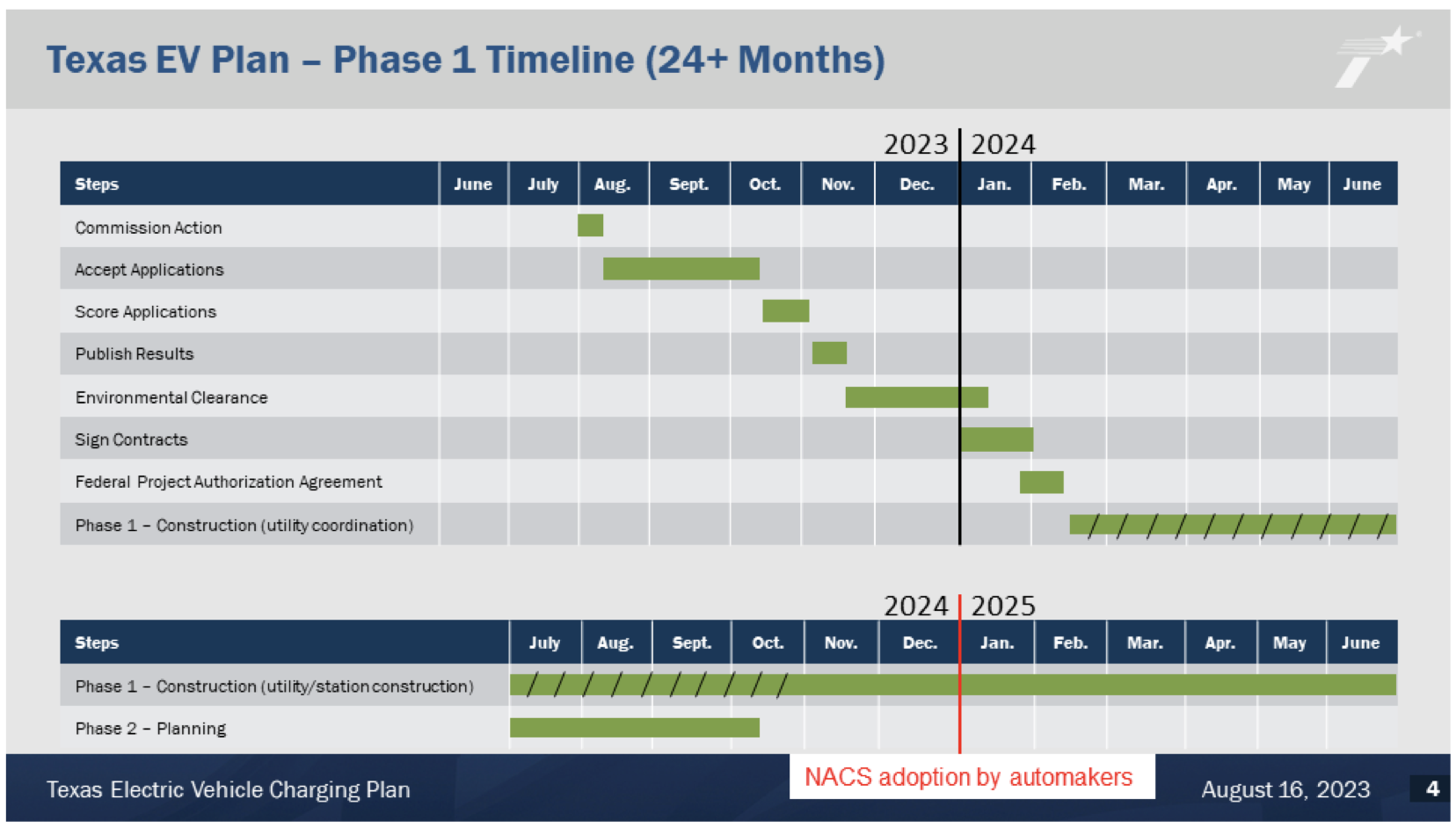
Texas Electric Vehicle Infrastructure Plan | Texas department of transportation
The Texas Electric Vehicle Charging Plan represents a comprehensive strategy aimed at facilitating passenger EV travel throughout the state while driving economic development. This plan promises to provide Electric Vehicle drivers with the confidence and flexibility to travel for work, leisure, or exploration, regardless of distance or weather conditions. The 2022 plan was a collaborative effort involving various state entities, advocacy groups, and stakeholders. It aligns with the state’s broader goals of optimizing system performance and fostering stewardship of natural and cultural resources. The 2023 update to the plan introduces several enhancements, including new study areas, an extended timeline, and competitive grant methodologies. The report reflects the collective efforts to build a robust EV charging infrastructure and overcome challenges such as power adequacy, competitive procurement processes, standardized ports, profitable location identification, EV adoption rates, and more.
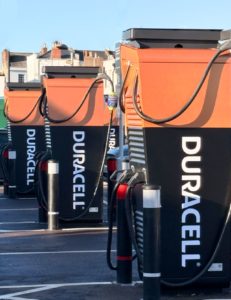
Analysing the Challenges in Powering England’s Plug-in Vehicle Revolution | County Councils Network
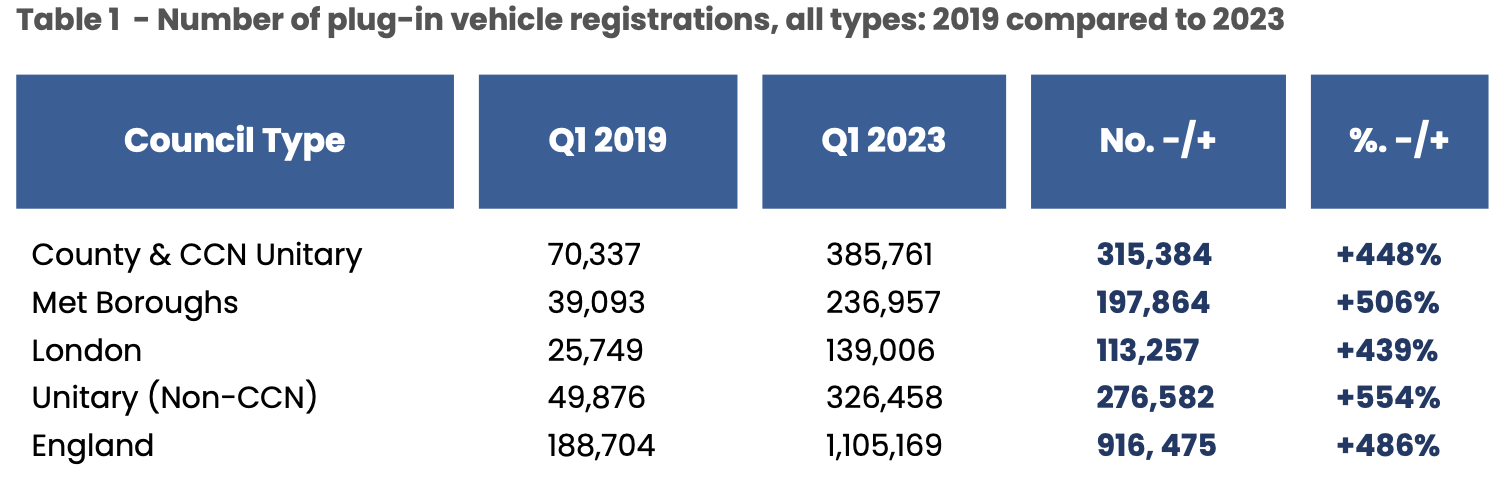
The United Kingdom has set ambitious decarbonization targets with a commitment to reaching net-zero emissions by 2050. Given that vehicle emissions are a significant contributor to pollution, the adoption of electric plug-in vehicles is critical. While there has been remarkable progress with a 560% increase in plug-in vehicle registrations in England since 2019, challenges persist. This report examines the successes achieved and the hurdles faced in encouraging people to switch to electric vehicles. Notably, the number of publicly available electric vehicle charging points has increased significantly, but disparities exist between county areas and other local authority tiers. Overcoming these challenges is essential to achieve decarbonization targets and promote electric vehicle adoption.
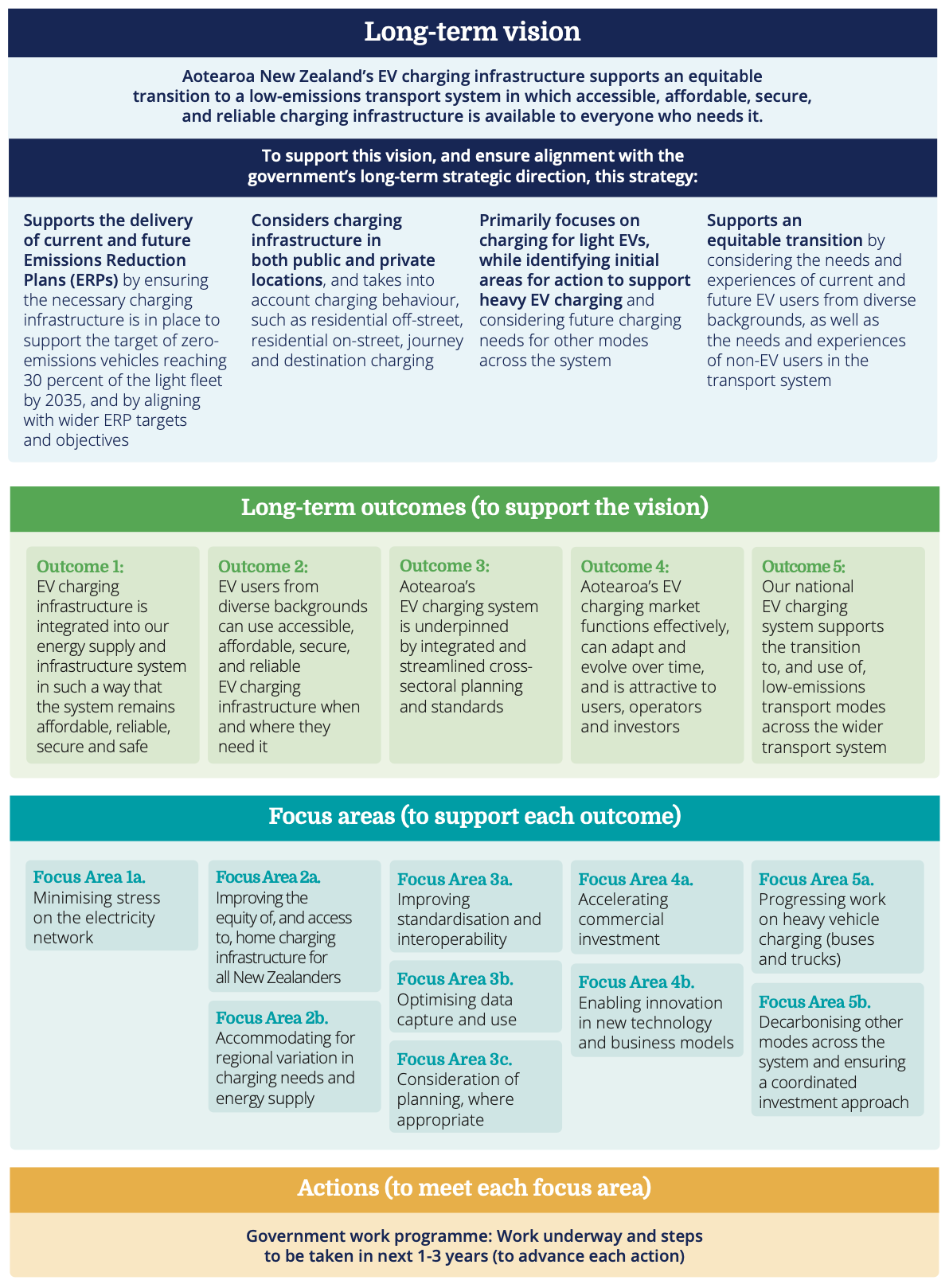
Charging Our Future: National Electric Vehicle Charging Strategy for Aotearoa New Zealand 2023-2035 | New Zealand Ministry of Transport
New Zealand has set its sights on a low-emissions transport system as part of its decarbonization efforts. The report introduces a comprehensive charging strategy, outlining a long-term vision and five key outcomes. The strategy’s overarching vision is to provide accessible, affordable, secure, and reliable EV charging infrastructure to support a low-emissions transport system. The five long-term outcomes encompass the integration of EV charging infrastructure into the energy supply system, ensuring accessibility for diverse user backgrounds, cross-sectoral planning, an effective market, and support for low-emission transport modes. The report also emphasizes the need for charging hubs on main highways and increased charging stations in rural locations by 2028, emphasizing New Zealand’s commitment to a sustainable EV future.