Addressing this pressing issue, the United Nations Intergovernmental Panel on Climate Change (IPCC) consistently advocates for the reduction of GHG emissions as the primary strategy for mitigating the adverse effects of climate change. Canada has taken a proactive stance, committing to a 40-45% reduction in GHG emissions relative to 2005 levels by 2030 and aspiring to achieve net-zero emissions by 2050.
Transitioning away from fossil fuels
The bulk of anthropogenic greenhouse gas emissions arises from activities such as fossil fuel combustion and industrial processes, prompting a collective push toward transitioning away from fossil fuels. The electrification of road transportation, responsible for 14% of global GHG emissions, is deemed integral to effective decarbonization efforts.
In alignment with this vision, the Canadian federal government and provincial authorities in Ontario and Quebec have allocated substantial funds to the development of electric vehicle battery manufacturing facilities and supply chains. Concurrently, significant financial support is being extended to subsidize EV purchases and foster the development of EV charging infrastructure at both federal and provincial. Proposals are under consideration to mandate 100% zero-emission vehicle sales for light-duty vehicles by 2035.
Sustainability challenges
While electric vehicles demonstrate superior performance in terms of direct emissions of GHGs and energy efficiency compared to conventional internal combustion engine (ICE) vehicles, adopting them presents broader sustainability challenges when viewed holistically throughout their life cycle. The report under consideration is focused on two critical sustainability issues related to EVs: the development of supply chains for EV batteries, including critical minerals, and the management of end-of-life (EoL) EV batteries. Notably, the latter has received comparatively less attention despite its potential interconnectedness with the former.
Analysis and recommendations
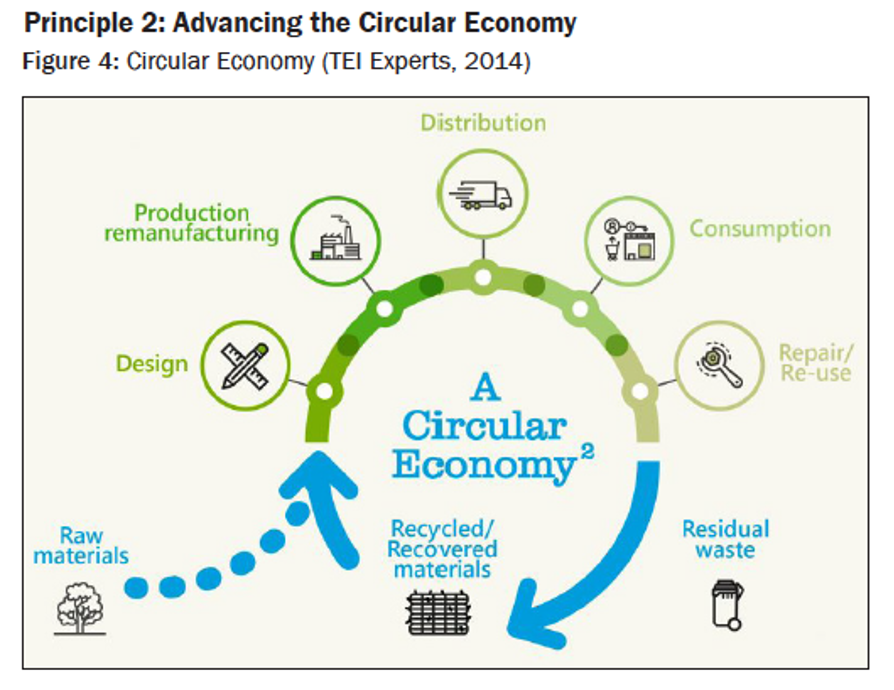
The report provides an in-depth analysis of the policy and regulatory landscapes for EoL EV batteries in Canada, the United States, and the European Union. Recommendations are drawn from this comparative analysis, aiming to inform the development of a comprehensive Canadian policy and regulatory regime for EoL EV batteries. The key recommendations encompass establishing a national EoL EV battery management regime, implementing extended producer responsibility, incorporating design for disassembly and recycling, promoting a circular economy for EV battery materials, addressing environmental justice concerns, and facilitating second uses for EoL EV batteries.
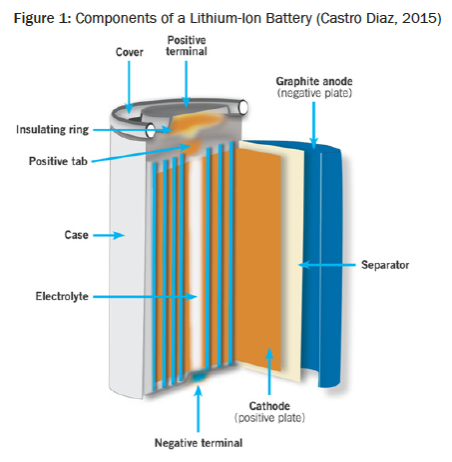
Furthermore, the report advocates for the modernization of electricity systems and markets to accommodate distributed energy resources, mandates original equipment manufacturers (OEMs) to provide battery health information for second-life use, supports research and development for battery technologies, and introduces transparency measures such as battery passports. Emphasis is placed on addressing ethical material sourcing requirements and maintaining robust regulatory standards around mine development.
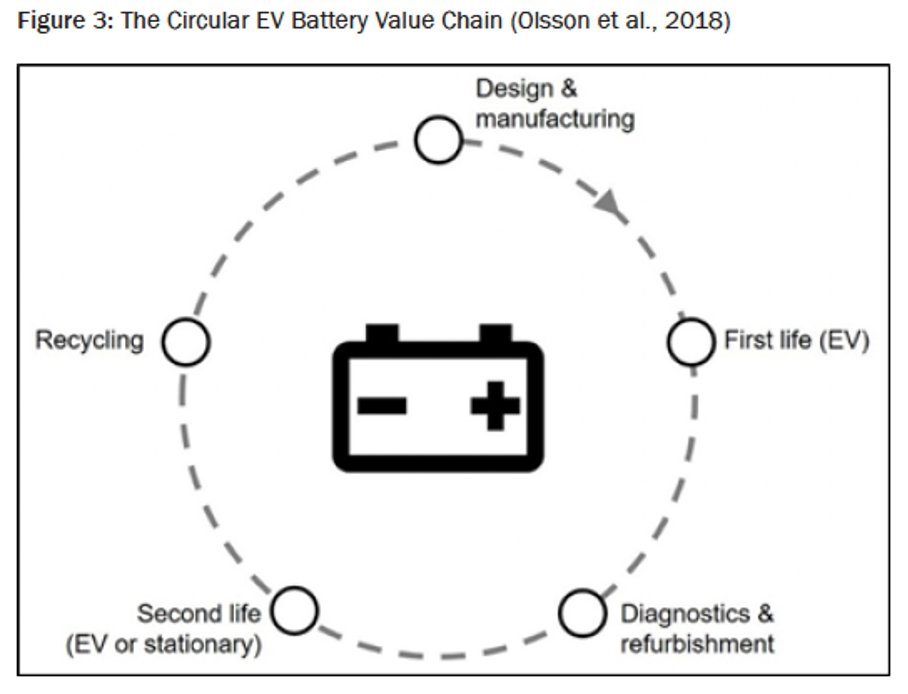
A roadmap for EV battery management
In conclusion, the report underscores the need not only for recycling and reusing EoL EV batteries but also for reducing the overall demand for materials through strategies like Transportation Demand Management (TDM). It emphasizes the uncertainty surrounding material recovery rates and the persistent reliance on primary extraction, reinforcing the need for ethical material sourcing and robust regulatory standards in EV battery management regimes. As the world collectively strives for a sustainable future, these comprehensive recommendations provide a roadmap for effective and responsible EoL EV battery management.
Get ‘free of charge’ access to more than 700 valuable EV Market Insights via www.EVMarketsReports.com, the world’s largest e-Mobility Reports and Outlooks database. Enjoy reading!