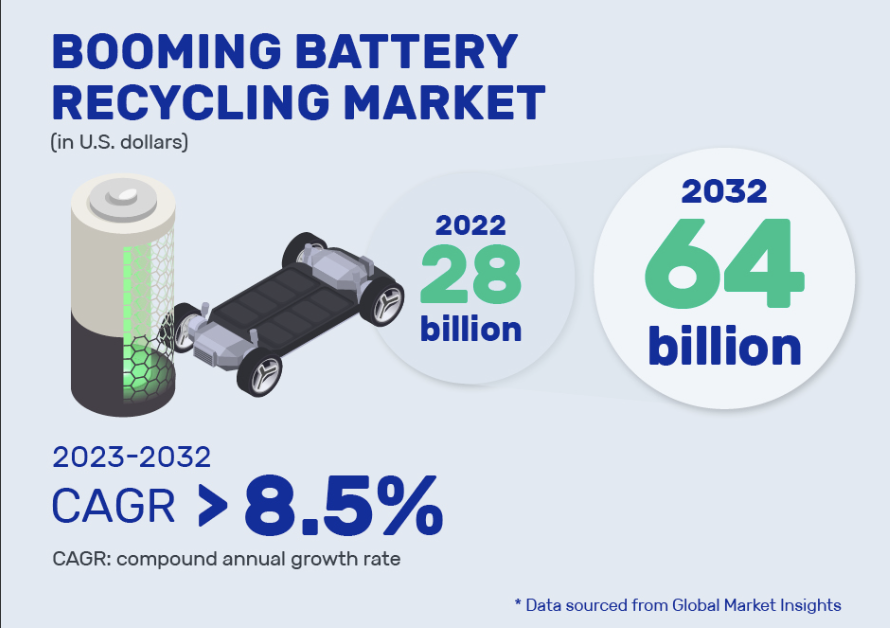
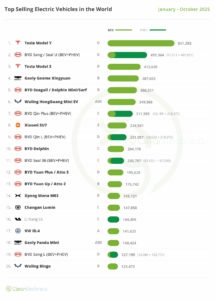
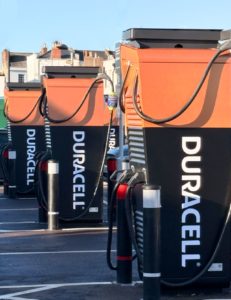
With EVs gaining significant traction worldwide due to their potential to reduce automobile emissions associated with internal combustion engines (ICE), the industry has witnessed a surge in interest. To address the growing concerns about the environmental impact of battery production, automotive manufacturers are heavily investing in recycling facilities. This emphasis on effective recycling technologies aims to reduce battery production costs, making EVs more affordable and accessible to consumers.
However, the battery materials recycling market is not without its challenges. One major obstacle is the high cost associated with recycling Li-ion batteries. The complexity of the recycling process, coupled with the need for advanced technologies and skilled labor, results in substantial expenditures. Additionally, the recycling of Li-ion batteries presents risks related to hazardous materials and complex disassembling procedures.
Amidst these challenges, lead materials are expected to dominate the market, accounting for more than 51% of the share by 2032. Lead is widely used in the electrodes of lead-acid batteries, known for their low-cost, high-energy density, and reliable performance. The ease of recycling lead-acid batteries compared to Li-ion batteries further promotes their adoption in various applications, including automotive batteries, EVs, consumer electronics, and grid energy storage.
Consumer goods and electronics will also play a vital role in driving the growth of the battery materials recycling market. With the rising popularity of smart, battery-powered home appliances, laptops, smartphones, and other electronics, the demand for battery materials has soared. The industry is expected to witness a 9% CAGR until 2032, driven by rapid urbanization, increased disposable incomes, and expanding electronics manufacturing targets in countries like India.
Asia Pacific emerges as a prominent player in the battery materials recycling market, with an estimated valuation of over USD 37 billion by 2032. The region’s strong presence of electronic device companies, EV manufacturers, and battery manufacturers, particularly in countries such as India, China, Japan, and South Korea, has contributed to its growth. Moreover, governments in these countries are actively implementing initiatives and regulations to promote battery recycling and sustainability.
The COVID-19 pandemic had a significant impact on the battery materials recycling industry, causing disruptions due to a drop in automotive production and the shutdown of manufacturing units and recycling facilities. Nevertheless, the growing supply-demand gap and supply chain disruptions prompted manufacturers to focus on vertical integration and in-house battery lifecycle management to mitigate future risks.
Source: Samsung C&T, Global Market Insights