In week 15 we added the following reports:
- On the way to electromobility – a green(er) but more unequal future? | Etui.
- Truck CO2: Europe’s chance to lead | Transport & Environment
- The future of automotive mobility to 2035 | Deloitte
- The Voice of the Canadian Electric Vehicle Driver | Canadian Automobile Association
- Improving public charging infrastructure reliability | The ICCT
On the way to electromobility – a green(er) but more unequal future? | Etui.
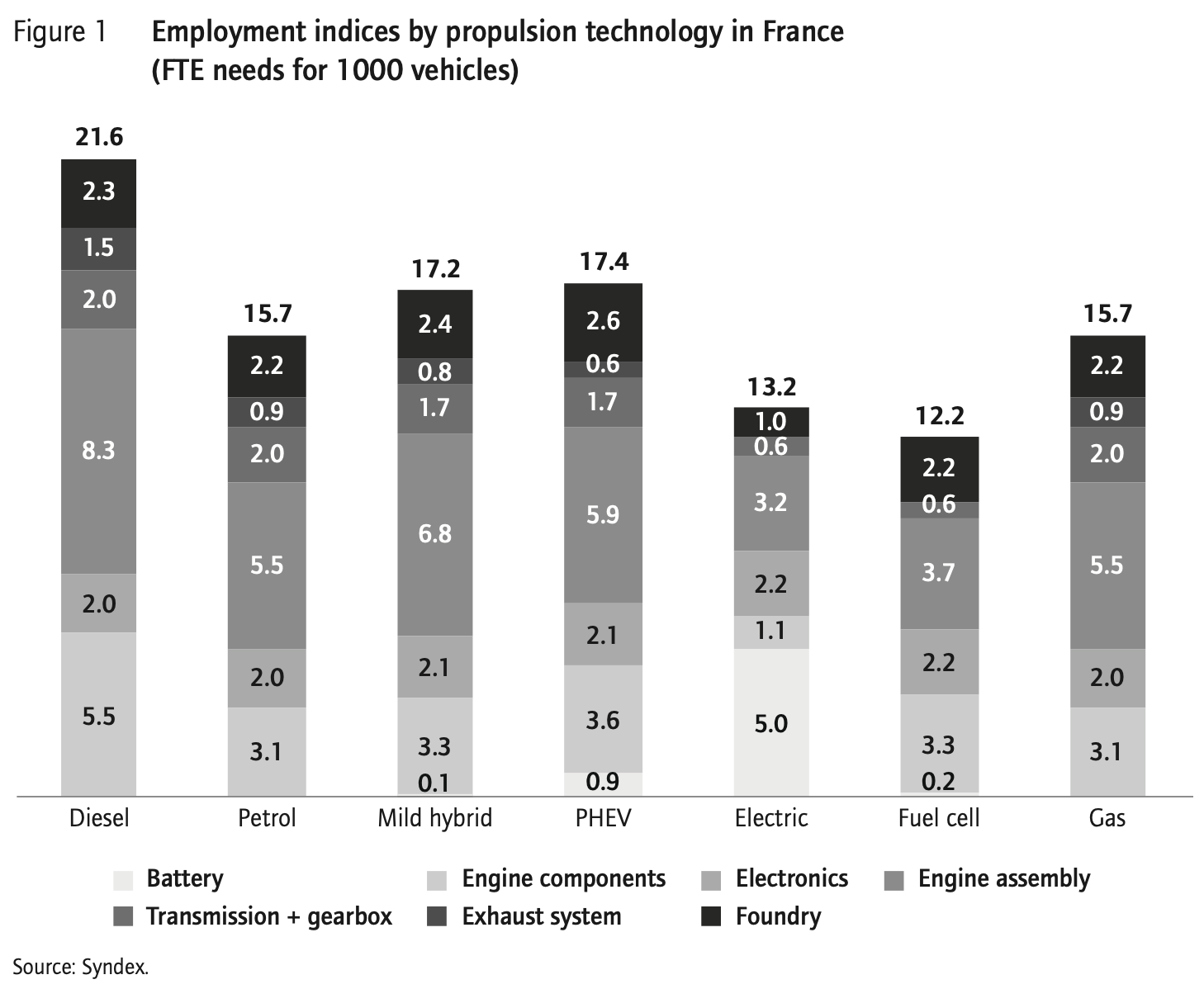
Less attention has been paid to what would happen if Europe’s auto industry failed to keep up with the global competition in rapidly developing zero emission technologies as it becomes increasingly obvious that none of the 14 million jobs in the overall automobile industry will remain unaffected by the transition to e-mobility. If European automakers keep shunning the lowest market segments of electric vehicles and handing them over to foreign rivals, there may be increased employment hazards and widening disparities.
This report examines the potential risks to employment and escalating disparities in the European automotive sector as a result of the shift to e-mobility and the industry’s preference for high-end, low-volume vehicles. It examines the shifts occurring at the national level, among the major suppliers and manufacturers, and provides a comparative overview of the major producers and regions in Europe.
Truck CO2: Europe’s chance to lead | Transport & Environment
To control the climate emissions from trucks and buses, which are responsible for 28% of the climate emissions from road transport in Europe, the European Commission is proposing to revise CO2 emission requirements for new heavy-duty vehicles. Zero-emission vehicles, such as battery electric and fuel cell electric vehicles, are the only technology that can completely decarbonize the heavy-duty industry over the long run and help us reach climate neutrality by 2050
Ths report analyzes the European Commission’s suggestion to revise CO2 emission regulations for new heavy-duty vehicles (HDVs) in an effort to control climate emissions from trucks and buses in Europe. It emphasizes that a sizeable proportion of the greenhouse gas emissions from road transportation are caused by HDVs and that zero-emission vehicles (ZEVs) are required to completely decarbonize the heavy-duty industry.

The future of automotive mobility to 2035 | Deloitte
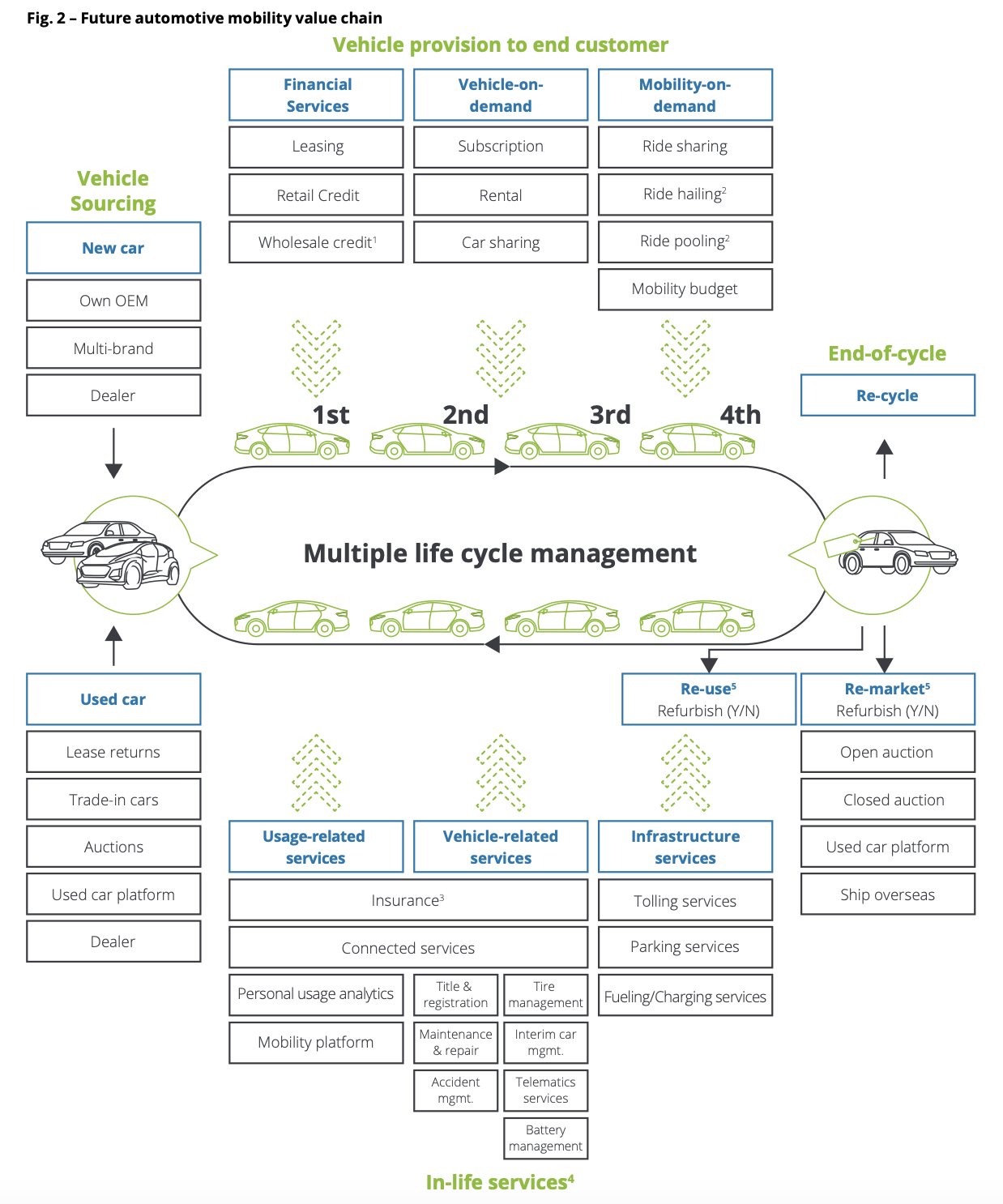
The automotive sector is undergoing rapid transformation as a result of evolving customer tastes, urgent climate change, falling trust, and geopolitical uncertainty. As a result, in order to prosper in the coming years, mobility providers must be prepared to change. The automotive mobility value chain is becoming increasingly significant, and providers ranging from leasing and rental companies to fleet management corporations must prioritize value in order to thrive in an ever-changing sector.
This report report focuses on the US and EUROPE5 areas to give insight into the automobile industry’s future. It studies the mobility value chain and the projected shifts in profit pools using quantitative and qualitative data from multiple sources. According to the research, creative thinking will be necessary to assure future success in a fast changing business.
The Voice of the Canadian Electric Vehicle Driver | Canadian Automobile Association
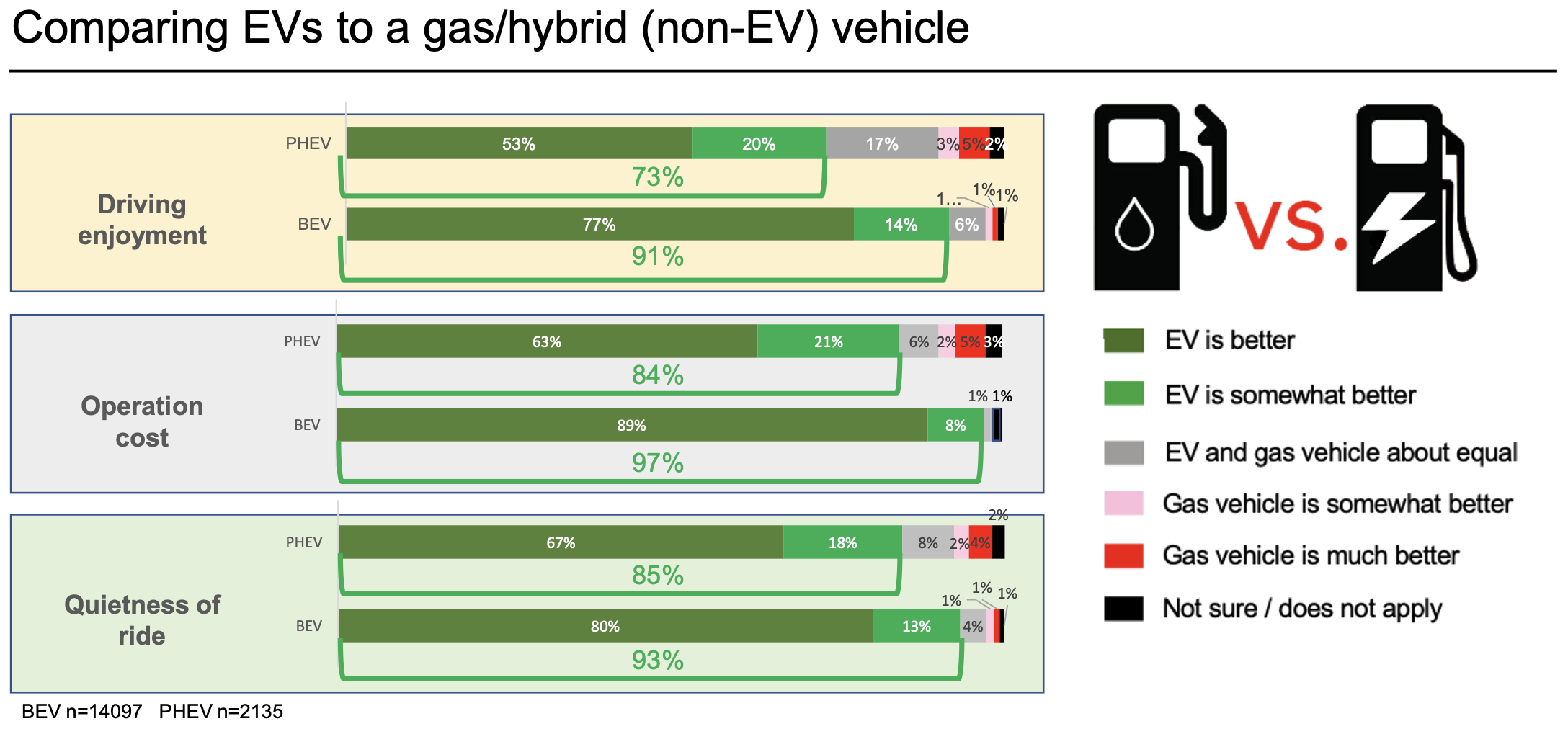
The availability of public charging is the top concern for owners of Electric Vehicles (EVs), as more than four out of every ten (44%) EV drivers say that this is a worry even after experiencing EV ownership. Common pre-purchase concerns about owning an EV, such as driving range, cold weather performance, and battery degradation, dramatically decrease after purchase. One important finding is that EV owners claim to spend 30% of their time charging outside the house.
This report shows the results of a poll taken in November and December 2022 among Canadian citizens who own electric cars (EVs). 16,232 people from all Canadian provinces and territories took part in the poll, which sought to understand the preferences and experiences of EV drivers.
Improving public charging infrastructure reliability | The ICCT
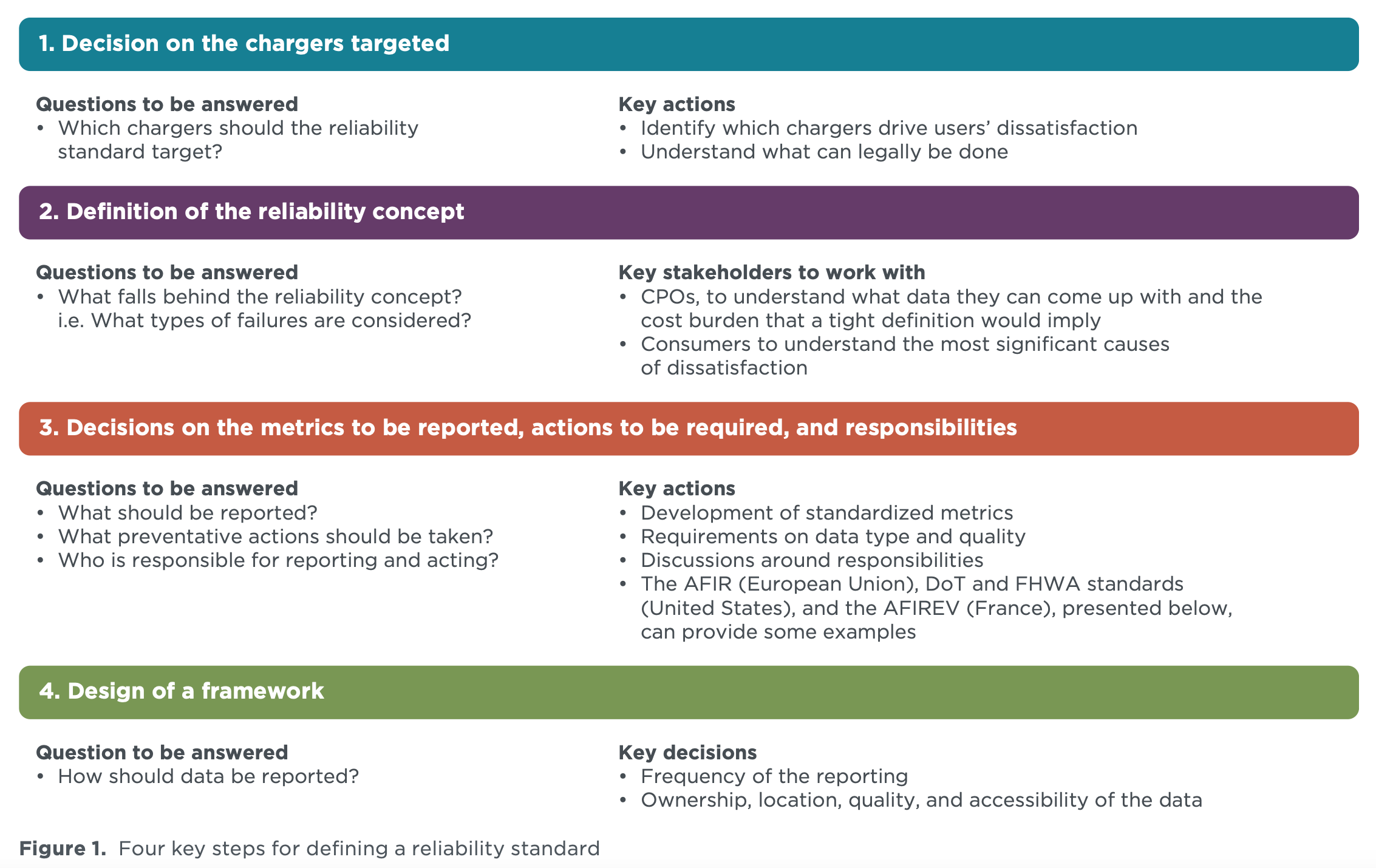
The deployment of a strong charging infrastructure ecosystem must coincide with the expansion of the fleet of electric vehicles since battery electric vehicles and charging infrastructure function as a system. The number of installed public chargers is often known across all electric vehicle (EV) markets, but information on how well they operate is scarce. While early EV adopters are ready to put up with a few charging event failures, a highly dependable and user-friendly charging infrastructure is essential to fostering customer confidence as they switch from combustion engine vehicles to EVs. In order to prevent the switch to electric vehicles from being slowed down, it is necessary to evaluate and enhance public charging dependability.
This paper highlights the significance of a dependable and user-friendly charging infrastructure system for electric vehicles (EVs) in order to boost consumer trust and expedite the transition from combustion engine vehicles to EVs. The paper discusses challenges concerning the dependability of publicly accessible charging infrastructure and examines steps made in specific jurisdictions to address these difficulties.
If you have any suggestions please consider providing feedback or uploading your report.